


The Bold Beauty of Vietnamese Coffee: A Brew Like No Other
If you love coffee with depth, character, and a touch of sweetness, it’s time to explore Vietnamese coffee. Known for its strong flavor, slow brewing method, and indulgent condensed milk twist, Vietnamese coffee isn’t just a drink—it’s an experience steeped in history and culture.
Let’s dive into what makes this brew so unforgettable.
🇻🇳 The History Behind Vietnamese Coffee
Coffee was introduced to Vietnam in the 19th century by the French during colonial rule. Over time, Vietnam transformed coffee cultivation into a major industry. Today, the country is the second-largest coffee producer in the world, known especially for its robust, bold beans.
Unlike many countries that focus heavily on Arabica beans, Vietnam primarily grows Robusta—a bean variety known for:
Higher caffeine content
Stronger, more bitter flavor
Earthy, chocolatey notes
This distinctive profile is what gives Vietnamese coffee its signature punch.
The Famous Phin Filter Method
Traditional Vietnamese coffee is brewed using a small metal drip filter called a phin. This
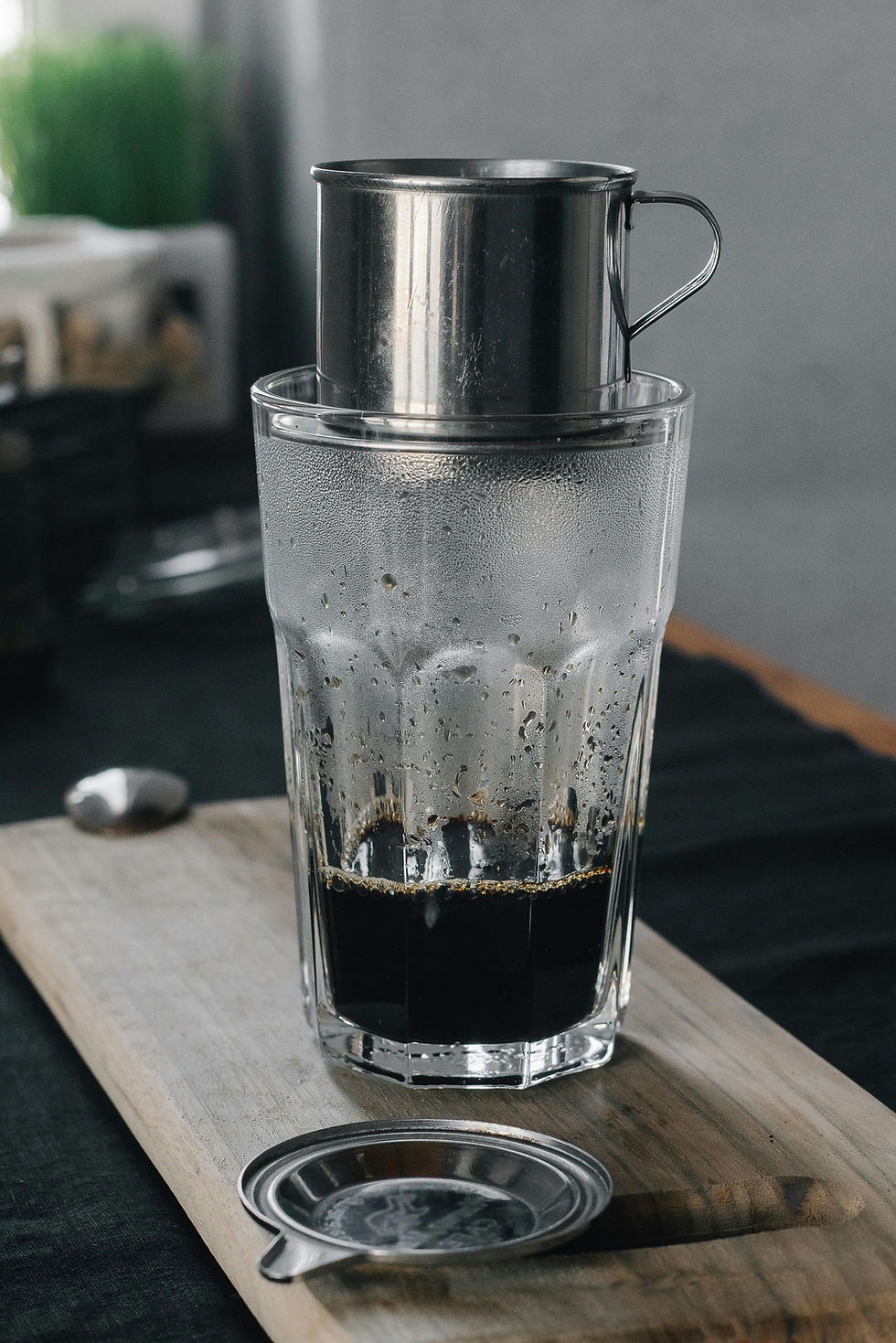
simple device sits directly on top of your cup and slowly drips hot water through ground coffee.
The result? A thick, concentrated brew that develops patience—and anticipation—with every drop.
How It Works:
Add medium-coarse ground coffee to the phin.
Press gently with the filter press.
Pour hot water over the grounds.
Wait 4–5 minutes as the coffee slowly drips into your cup.
This slow brewing method enhances the bold flavor and creates a rich body.
Cà Phê Sữa Đá: Vietnam’s Iconic Iced Coffee
Perhaps the most popular Vietnamese coffee drink is Cà Phê Sữa Đá (iced coffee with sweetened condensed milk). It is absolutely one of my top 5 favorite coffee types, IT IS SO GOOOOOOOOD.
Because fresh milk wasn’t widely available historically, sweetened condensed milk became the perfect creamy companion to strong Robusta coffee. The combination creates a balance of bold bitterness and silky sweetness.
Why People Love It:
Strong but smooth
Sweet without overpowering
Perfect for hot climates
Beautiful layered presentation
It’s refreshing, energizing, and incredibly satisfying.
Egg Coffee: A Surprising Delight
One of Vietnam’s most unique creations is egg coffee, or Cà Phê Trứng. Invented in Hanoi in the 1940s, this drink features whipped egg yolks blended with sugar and condensed milk, poured over strong coffee.
The texture? Velvety and mousse-like.The flavor? Similar to a rich tiramisu in a cup.
It may sound unusual, but one sip and you’ll understand why it’s beloved.

Modern Vietnamese Coffee Trends
Vietnamese coffee culture continues to evolve. In cities like Hanoi and Ho Chi Minh City, modern cafés blend tradition with innovation.
You’ll now find:
Coconut coffee
Salted cream coffee
Cold brew variations
Plant-based condensed milk options
Specialty Arabica blends from the Central Highlands
Vietnam is no longer just a coffee exporter—it’s becoming a destination for coffee tourism and specialty coffee experiences.
Brewing Vietnamese Coffee at Home
Want to recreate the experience?
What You’ll Need:
Vietnamese ground coffee (preferably Robusta)
Ice (optional)
Simple Recipe:
Add 1–2 tablespoons condensed milk to your glass.
Brew coffee using the phin directly over it.
Stir well once dripping finishes.
Add ice for the classic iced version.
That’s it—simple, authentic, and bold.
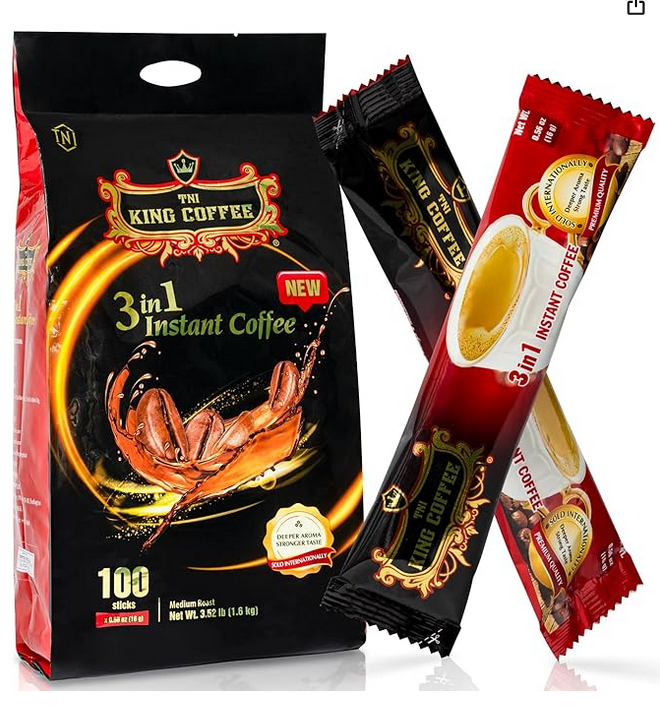
EASY NO TIME Vietnamese Coffee packets - For you want a quick hit, just add water.
Why Vietnamese Coffee Stands Out
Vietnamese coffee isn’t about rushing. It’s about slowing down, savoring strong flavors, and enjoying coffee as a social ritual.
It’s bold without apology. Sweet without being subtle. Traditional yet evolving.
If you haven’t tried it yet, consider this your invitation to explore one of the world’s most distinctive coffee cultures.
This article may contain affiliate links; I may receive a small commission for any purchases made through these links. Thank you for your support!


Comments